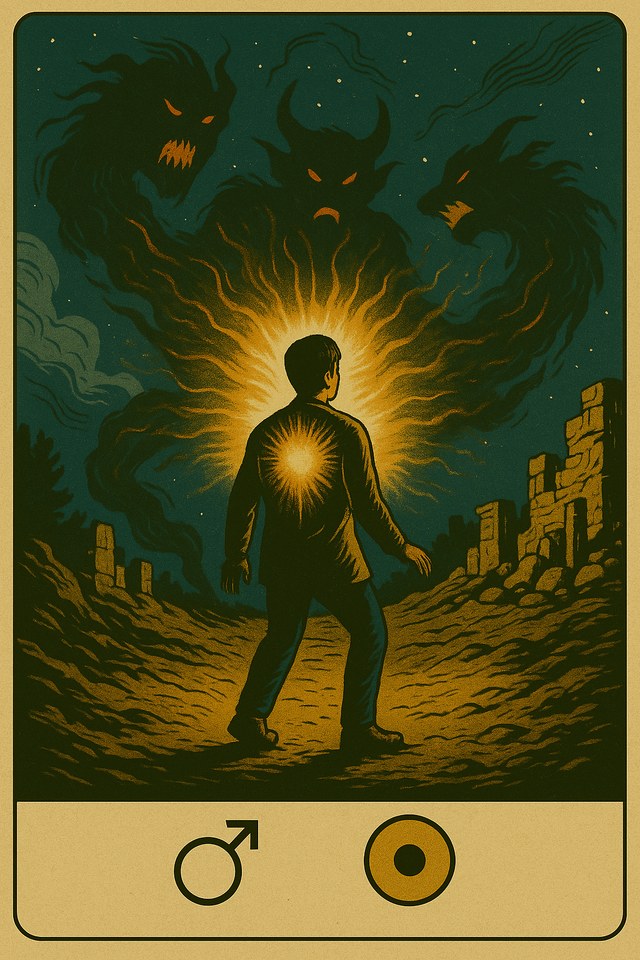
We live in an age that worships the solution. Problem solving has become a skill to show off: on CVs, on LinkedIn profiles, in company presentations, in Monday meetings. Techniques, frameworks, methods: every problem is a puzzle to fit together, an error to fix, a process to optimise.
I have done this work for years, in projects and in companies, and I know it well: being able to solve things is valuable. But there is a subtler level, one that often escapes even the best. It is the difference between solving a problem and understanding it.
When solving means closing
Technique is powerful: it fixes, repairs, organises. But at the very moment it solves, it often closes. It puts the problem in a box, isolates it, and in doing so ignores the most important thing: the problem was also a messenger.
A problem is not just something to get rid of. It is an event within a larger system: the symptom of an imbalance, the mirror of a tension, the signal of a crack that can’t yet be seen. Solving it in a hurry can simply be a way of silencing it, without having understood it.
Anyone who has worked in a company knows it: it’s the problem “we already solved” that comes back, right on time, every six months, under a different name.
The questions technique doesn’t ask
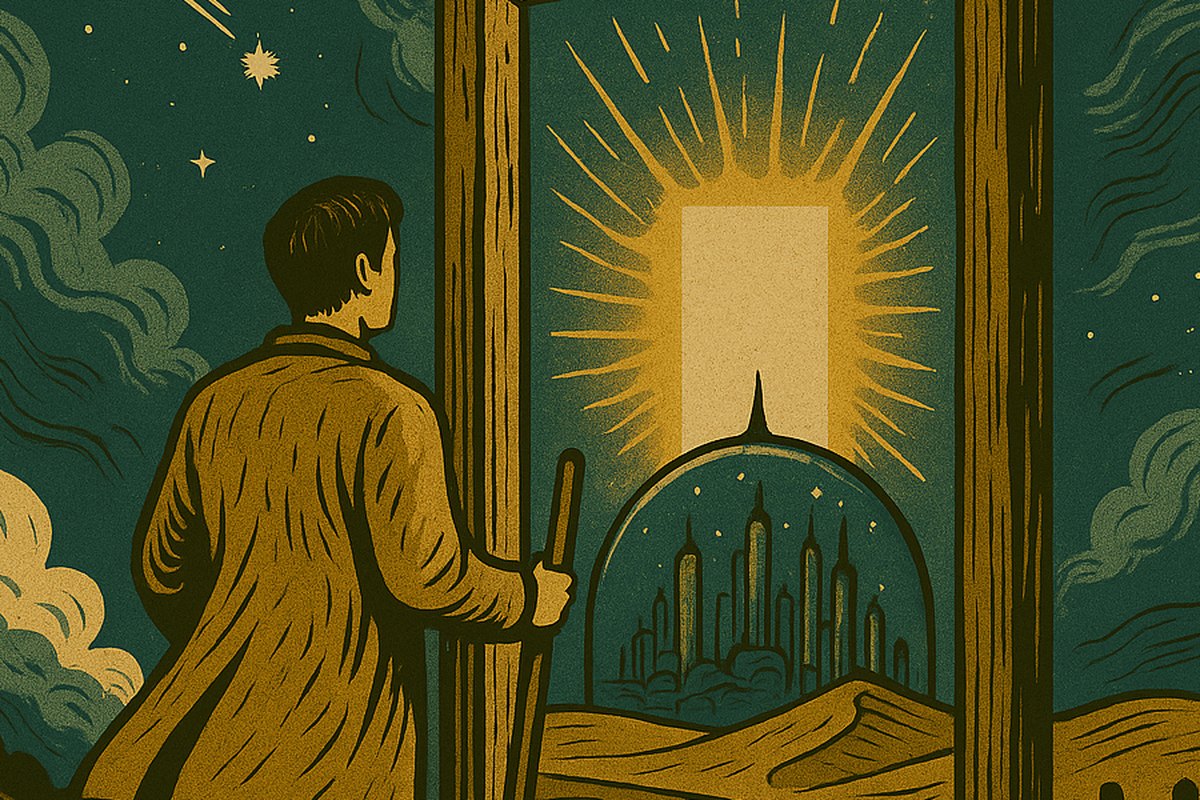
Those who solve too quickly miss the greatest opportunity, which is to listen. To look at the problem as a threshold, not as an enemy. To ask why it shows up exactly here, exactly now, exactly in this way. What it is telling me that I don’t want to see. Which part of me keeps generating it, while I keep “solving” it.
Technique reasons in a straight line, one step after another. Life doesn’t. Real problems don’t live in flowcharts: they are tangles of people, stories, fears, habits.
Sometimes a problem isn’t there to be fixed. It’s there to be understood.
The paradox of powerlessness
There comes a moment, sooner or later, when technique is no longer enough. We’ve tried everything, and the problem is still there. It’s an uncomfortable moment, but it’s also the one where something unexpected happens: when you can no longer solve, you finally begin to see.
You see that the problem was also you, wanting to solve it at all costs. You see that every crisis is a threshold, every obstacle a teacher, every mistake an invitation to stop controlling and start observing.
An integrated view
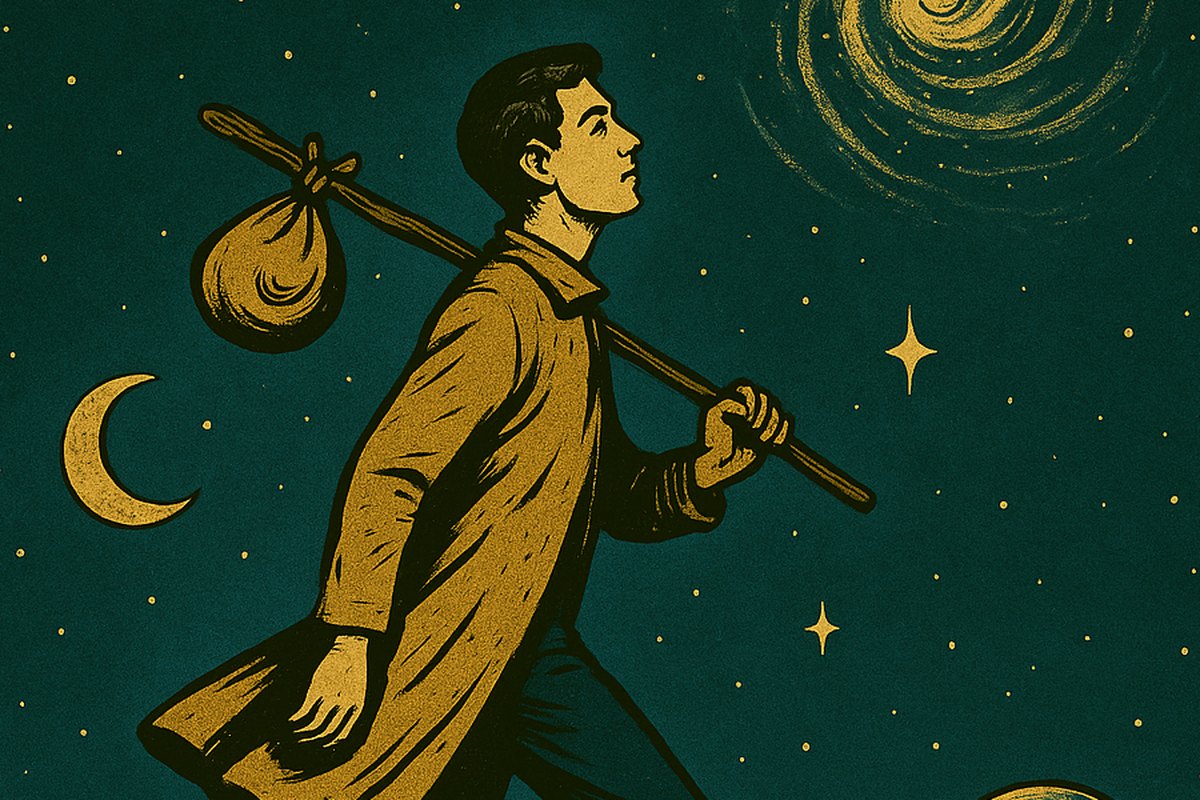
It isn’t about giving up technique, but about putting it in its place: a tool in the service of understanding, not the other way round. Seen like this, every part is seen within the whole, and reasoning leaves a little room for intuition.
In the P.R.O.C.E.D.O.© Method this is the stage of Decision: choosing after having seen, not just to stop feeling the discomfort.
In this view, problems are not only solved: they are transformed. And in transforming them, we are transformed. Even if the problem remains, the person looking at it is no longer the same.
Next time a problem comes up, at work or at home, before looking for the solution give yourself two minutes and three questions, written on a sheet of paper: why is it happening here? why now? has it happened before, in another form? Then go ahead and solve it. But keep the sheet.
Share this article
If it made you think, it might make someone else think too.
Want to read the next article?
Leave your details and I’ll let you know when it’s out. Or experience the Method in a workshop.