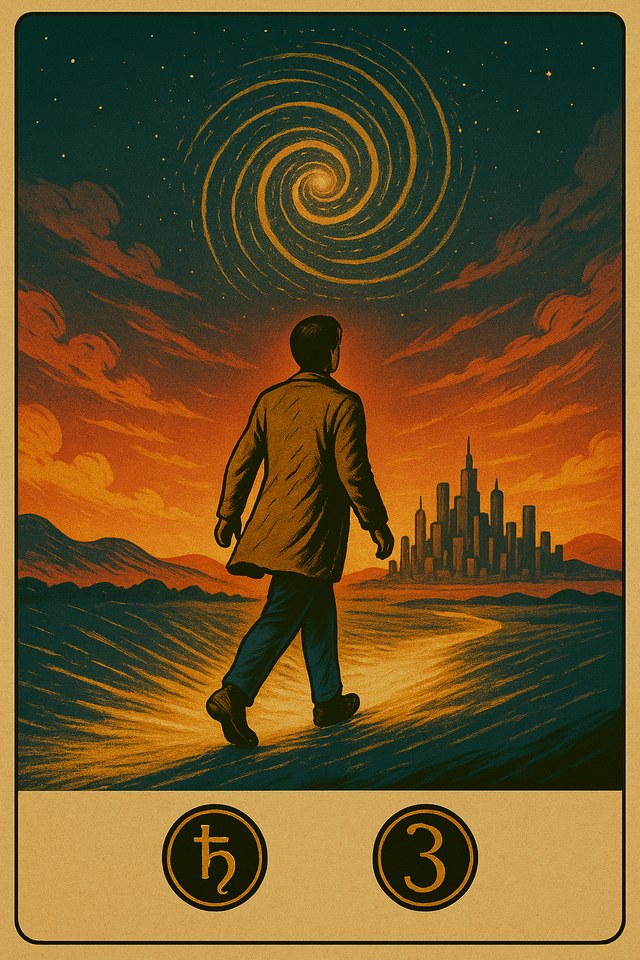
In the Netflix series 3 Body Problem, based on Liu Cixin’s novel, there is a scene that stays with you. On every screen on the planet, at the same instant, a message appears from a distant civilisation far more advanced than ours: “You are bugs.”
In three words, the whole of human complexity is reduced to something small, insignificant, easy to crush. It’s a powerful provocation. And like every good provocation, it opens a question: what is a human life really worth, if it is so short and so fragile?
The gods who envy us
In the film Troy Achilles says a line that has become famous: the gods envy us, because we are mortal, because any moment might be our last. It isn’t a line from the Greek myths, but it captures their spirit.
In the Iliad Achilles must choose between two fates: a long, quiet life that everyone will forget, or a short life that will be remembered forever. He chooses the second, knowing what it will cost him. The limit doesn’t take away his freedom: it is exactly what gives it to him, because it forces him to choose.
Prometheus, too, who steals fire from the gods to give it to humankind, pays dearly for his choice: chained to a rock, with an eagle that returns every day to devour his liver. Fire is knowledge, progress, but it is also the sign that human beings can become more than they are.
Immortality as a prison
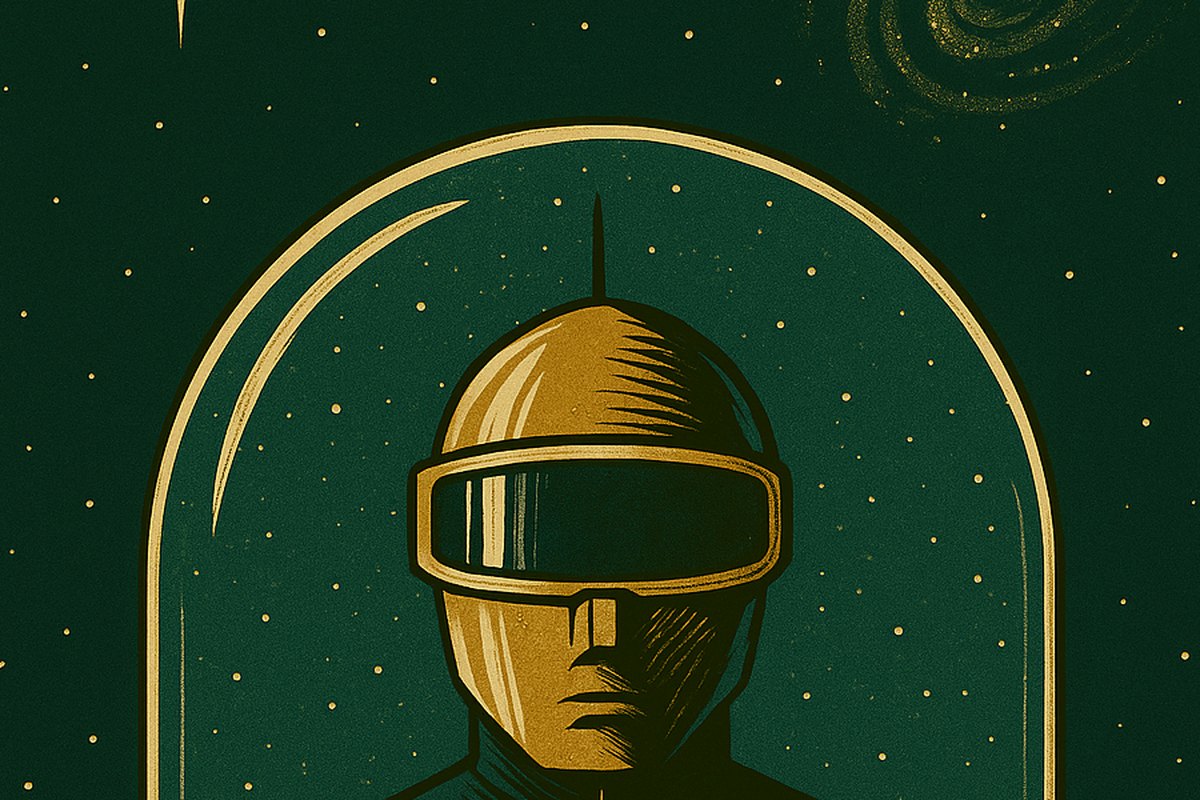
Jorge Luis Borges, in the story The Immortal, imagines a city of people who cannot die. The result is not happiness but indifference: if you have infinite time, sooner or later you will do everything, and then nothing carries any weight. No gesture is unique, no goodbye is real.
Albert Camus, in The Myth of Sisyphus, looks at the absurdity of existence without consolation. And yet he concludes that one must imagine Sisyphus happy: not because his effort has a purpose, but because he lives it all the way.
And then there is Roy Batty, the replicant in Blade Runner, who before shutting down remembers everything he has seen, moments destined to be lost “like tears in rain”. That line holds all the value of what passes.
It isn’t how long a moment lasts that gives it value. It’s the fact that it won’t come back.
Bugs have never been defeated
There is a detail that makes the series even more beautiful. At the end of the first season the main characters are crushed, convinced there is no hope left. So a detective takes them out to a field and shows them a swarm of locusts.
For thousands of years, he says, humans have tried to wipe out insects, by every possible means. They have never succeeded. The bugs are still here.
It’s a perfect reversal. That insult, “you are bugs”, becomes a promise: small, yes, fragile, yes, but stubborn, alive, able to start again.
The value of the moment
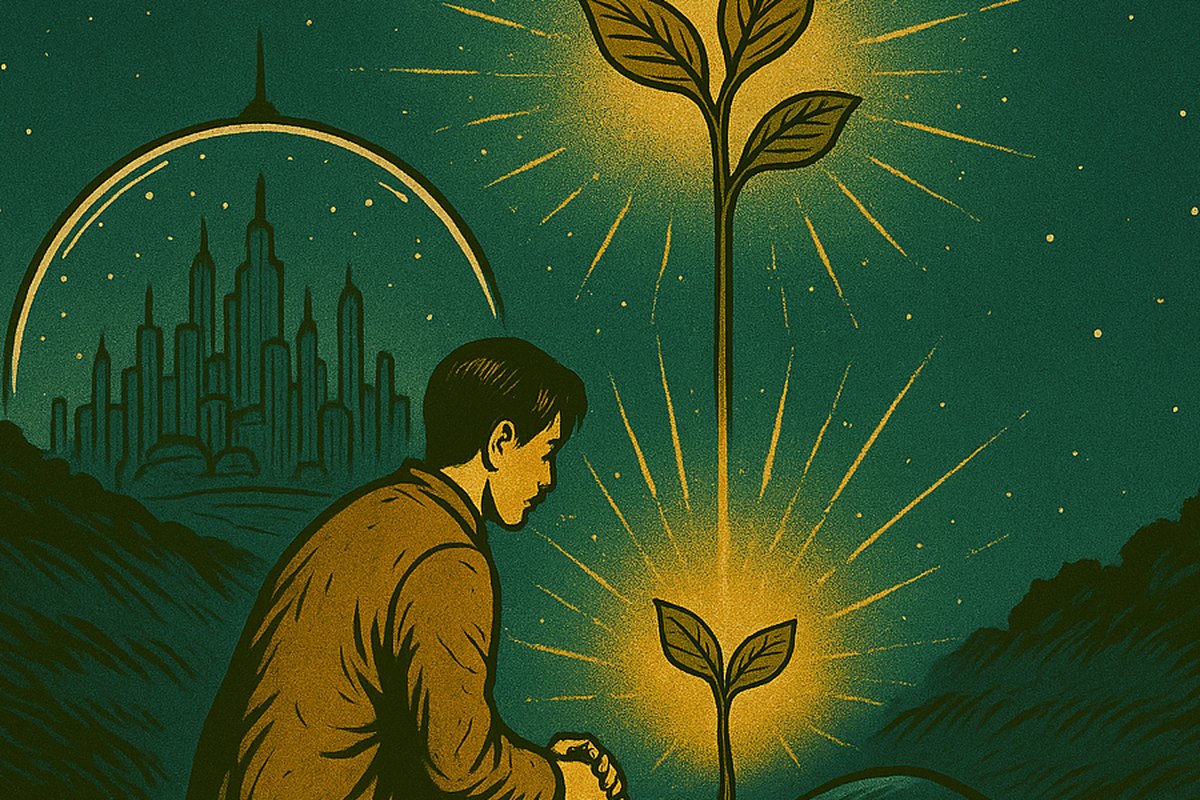
In the P.R.O.C.E.D.O.© Method the last stage is called Beyond: the gaze that widens and lets us see our life within something larger. Not to make us feel small, but to remind us where our value lies.
Mortality is not a weakness. It is the source of our deepest freedom: it asks us to look for meaning, to choose, to be here now. A universe that seems indifferent takes nothing away from this. If anything, it makes it precious.
One evening this week, before going to sleep, choose a single moment of the day that will never come back: a conversation, a light, a taste. Go back over it slowly, in detail. Not to hold on to it, but to notice that it happened.
Share this article
If it made you think, it might make someone else think too.
Want to read the next article?
Leave your details and I’ll let you know when it’s out. Or experience the Method in a workshop.