We say “I’m anxious” dozens of times a day: before an interview, in the doctor’s waiting room, when a child is late home. But have we ever asked what anxiety really is, and why it exists?
A word you can breathe
In Italian the word is ansia. Say it slowly and feel how the breath rises and catches high in the chest. It is the same movement the body makes when we are agitated: short breath, “heart in the mouth”.
I have always been struck by how some words already contain, in their sound, the experience they describe. That is why, when I start exploring something, I always begin with the word. The dictionary describes anxiety as a state of agitation and strong apprehension, caused by fear, uncertainty, or waiting for something.
Our ancestors’ superpower
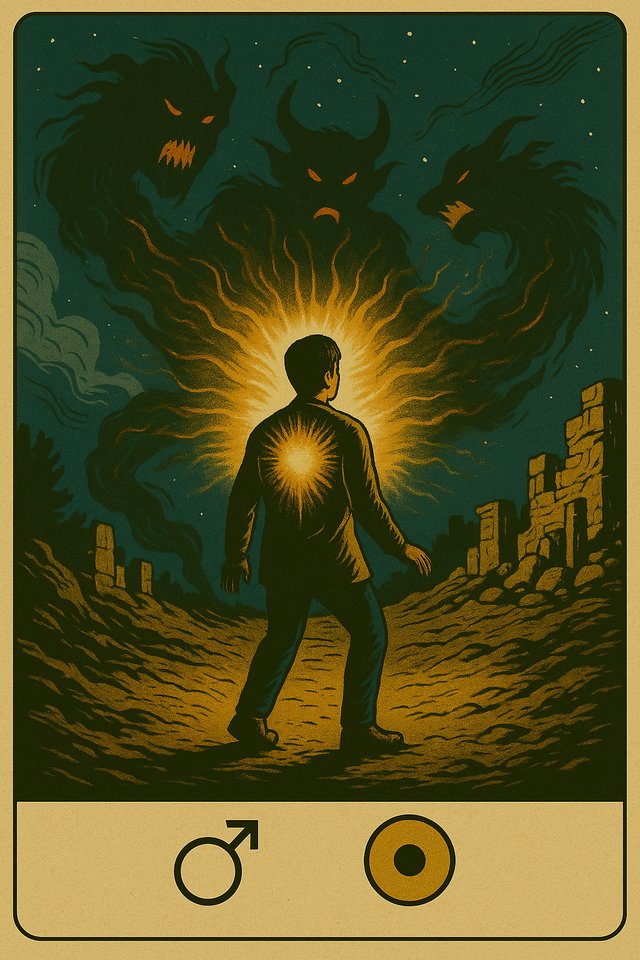
Let’s go back a few thousand years. A prehistoric man has to stay alert at every moment: a wild animal, an enemy, food running out, children to protect. Anxiety is his alarm system. It sharpens his senses, makes him observe, pushes him to anticipate and organise.
Without that push we would not have survived, and we would not have evolved.
In this sense anxiety has been, and still is, our greatest power: an energy that sets us in motion.
The dark side
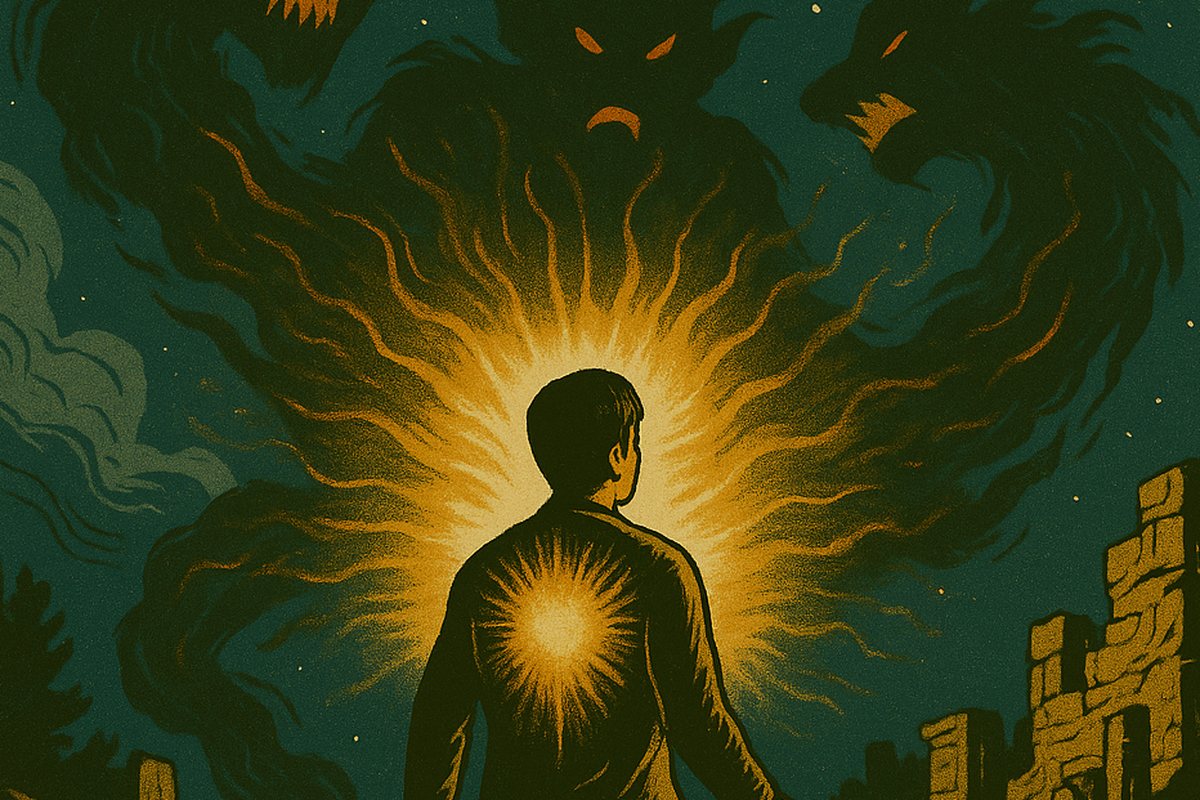
Like every superpower, though, it has a dark side. When the alarm stays on even without danger, anxiety becomes persistent. It keeps projecting us into a future, almost always a negative one, and robs us of the only thing we truly have: the present.
It is a paradox: the tool designed to protect us here and now ends up taking the here and now away.
Anxiety in the performance society
In his book Psychopolitics, the philosopher Byung-Chul Han observes that our society no longer controls us by force, but through our emotions. A constant fear, of not being enough, of falling behind, becomes the fuel of an endless race: work more, produce more, keep improving.
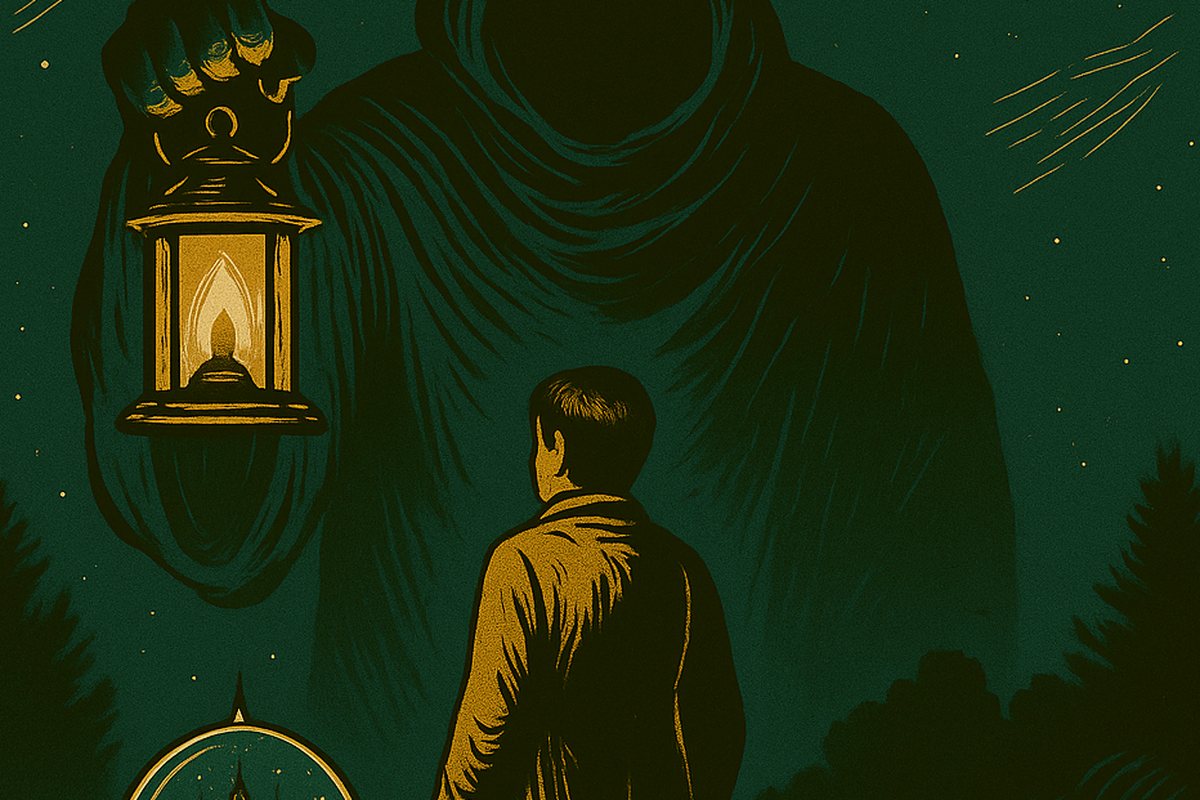
In that race anxiety is no longer an alarm that saves us: it is an engine someone else has switched on for us. And we often exploit ourselves, convinced that we are free.
Changing the relationship, not the enemy
I don’t think the answer is to get rid of anxiety: it would be like removing a car’s horn. The answer is to change our relationship with it. Recognise it when it arrives, listen to what it is trying to tell us, and then decide whether it is a real alarm or an echo of the past.
Seen this way, anxiety stops being an enemy and becomes information again. And the energy it brings can be used to act, instead of going round in circles.
In the P.R.O.C.E.D.O.© Method this step joins two stages: Observation, to see how anxiety forms, and Energy, to gather that force and take it where it is needed.
This article is a reflection, not a treatment. If anxiety becomes constant and stops you living your life, talking to a doctor or a psychologist is the wisest choice.
When you feel anxiety rising, put a hand on your chest and take three slow breaths, letting the air reach your belly. Then ask: is there any danger right now, in this room? If the answer is no, use that energy to do one small, concrete thing.
Share this article
If it made you think, it might make someone else think too.
Want to read the next article?
Leave your details and I’ll let you know when it’s out. Or experience the Method in a workshop.