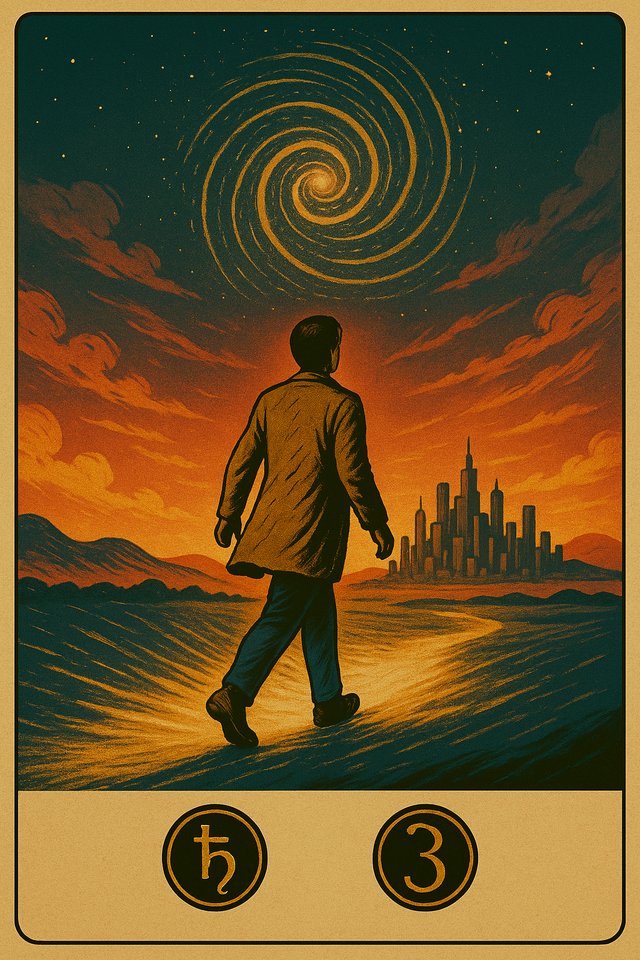
There is a Greek myth I go back to every time I notice I am clinging to something that is no longer there. It is the story of Orpheus.
The pact
Orpheus is the greatest musician of the ancient world. When his beloved Eurydice dies from a snake bite, he goes down into the underworld to bring her back. His song moves even the gods of the dead, who allow him to lead her back among the living. On one condition: on the way up she will follow him, and he must never turn to look at her until they have come out into the light.
Orpheus walks. He hears footsteps behind him, then he doesn’t. Doubt grows. When he is just one step from the exit, he cannot resist and turns round. Eurydice vanishes, forever.

Why does he turn?
For years I thought the myth was about impatience. Today I read it differently. Orpheus doesn’t turn because he is impatient: he turns because he doesn’t trust. He needs proof, to see with his own eyes that what he had is still there.
Looking back is the gesture of someone who cannot trust the road.
And, paradoxically, it is that very gesture that makes him lose what he was trying to save.
Our own underworlds
We all have a past that sometimes calls to us: a relationship that ended, a betrayal, a missed chance, a time when we were different. Remembering is natural, and the past is part of us: it shaped us.
The trouble starts when a memory becomes a room we never leave. When we keep reliving the same scene, answering words spoken ten years ago, measuring the present against what used to be. Then the past stops being experience and becomes a weight.
Gurdjieff said that human beings mostly live “asleep”, moved by mechanisms they cannot see. Constantly looking back is one of those mechanisms.
The light is ahead
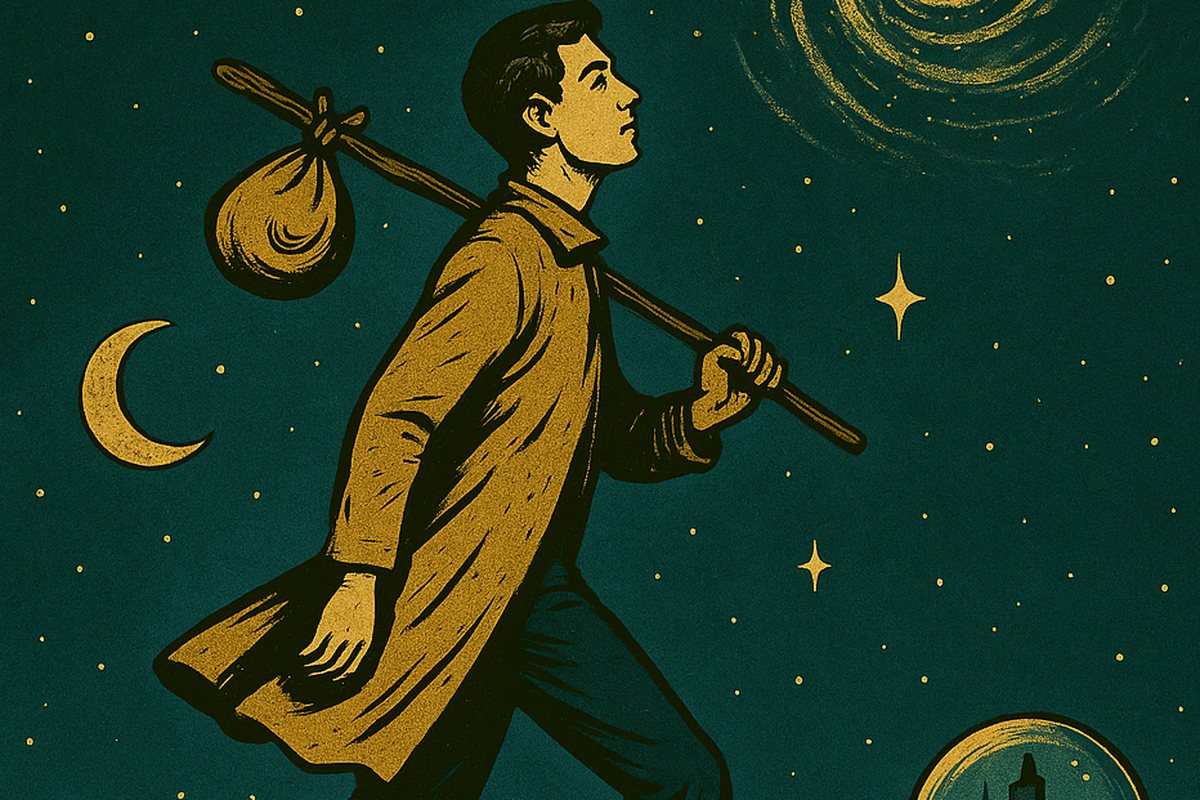
There is a detail in the myth we often forget: Orpheus is one step from the exit. The light is right there in front of him. All he has to do is keep walking.
That doesn’t mean forgetting. It means integrating: carrying with us what the past has taught us, without turning round every time to check that everything is still as it was.
And to walk without looking back we need something our culture rarely trains: trust in intuition, that silent knowing which is born in the present and needs no proof.
Releasing
In the P.R.O.C.E.D.O.© Method the stage of Release is about exactly this: going through the tension until it gives way, instead of going back over it endlessly. It is not a heroic act. It is a small choice, to be repeated every day: today I won’t turn round.
Write down on a sheet of paper a thought from the past that keeps coming back. Read it aloud once, then fold the paper and put it away. When the thought returns in the coming days, tell yourself: “I have already looked at it. Now I walk.”
Share this article
If it made you think, it might make someone else think too.
Want to read the next article?
Leave your details and I’ll let you know when it’s out. Or experience the Method in a workshop.