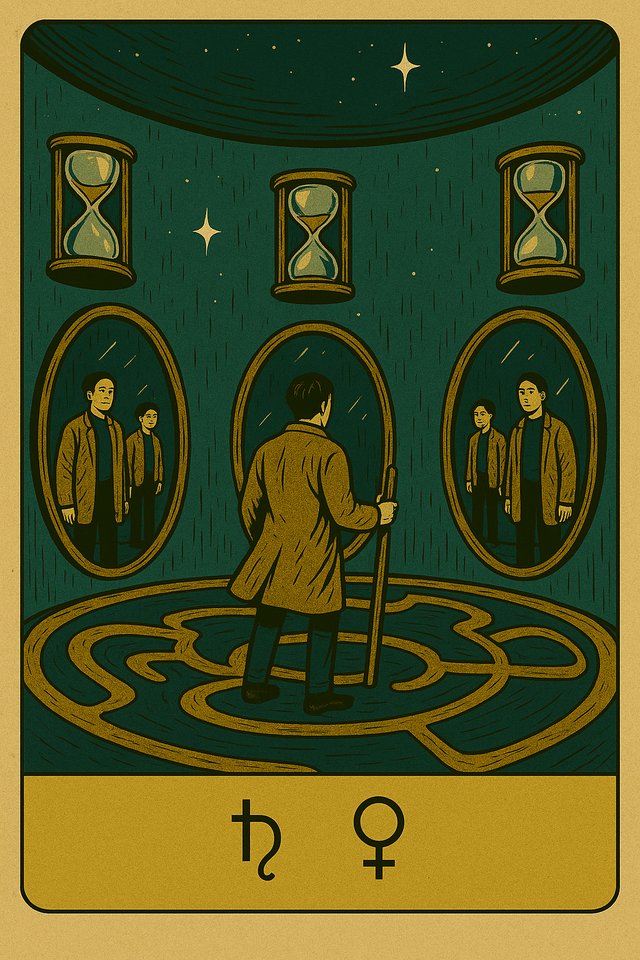
When we feel bad, the first thing we do is look for a solution. A method, a technique, a book, a piece of advice: something to get rid of that fear, that anxiety, that thought that keeps coming back.
I spent years doing exactly that. And I reached a conclusion that may sound discouraging at first: trying to eliminate what we feel is often a trap.
Calming the water by stirring it
Fighting a fear is like trying to calm the water of a pond by moving your hands in it. The more you thrash about, the muddier the water gets.
You have probably experienced it too: in difficult times the mind fixes on the problem and leaves room for nothing else. You think about it, think again, look for a way out, and meanwhile the problem keeps growing, because you are giving it all your attention.
What we feel has a history
Our reactions don’t come from nowhere. They are our past expressing itself: experiences, fears and habits that have settled over time and fire on their own. In this sense even discomfort has a function: it is telling us something.
The paradox is that we are most imprisoned in the part of ourselves we believe is free. When we say “that’s just how I am”, we are often describing a habit that has mistaken itself for an identity.
Change begins when we stop recognising ourselves entirely in our past.
A territory that doesn’t follow logic
Emotions don’t work like reasoning. We can love and hate the same person at the same moment. A memory from twenty years ago can hurt as if it were today. In there, time and space follow different rules.
That is why reason alone is not enough: it looks for data, causes and explanations, while emotions speak through stories and images. The first step is knowing that we are entering new territory, where everyday logic is not the right map.
Letting it pass
So what do we do? We stop forcing thoughts, and let them pass. Like the water of a river: you watch it flow, you don’t jump in.
When you stop giving every thought your full attention, the noise begins to fade by itself. And underneath, little by little, you feel something stable: a calm that doesn’t depend on how things are going.
In the P.R.O.C.E.D.O.© Method this is the stage of Release: going through the tension until it gives way, instead of fighting it.

Neither hope nor fear
We live in a society that asks us to plan everything, to always have a goal ahead and a plan B behind. It is useful, but it has a price: it keeps us one step ahead of where we actually are.
I believe we become truly free when, walking towards our goals, we stop being driven by hope or by fear. We simply walk.
What I write comes from my own experience and is in no way a substitute for working with a professional. If you are going through a difficult time, asking for help is an act of presence, not a defeat.

Next time a thought torments you, don’t try to send it away. Name it out loud, for example “here is the worry about work”, and leave it there, like a car passing in the street. Count three breaths and go back to what you were doing.
Share this article
If it made you think, it might make someone else think too.
Want to read the next article?
Leave your details and I’ll let you know when it’s out. Or experience the Method in a workshop.