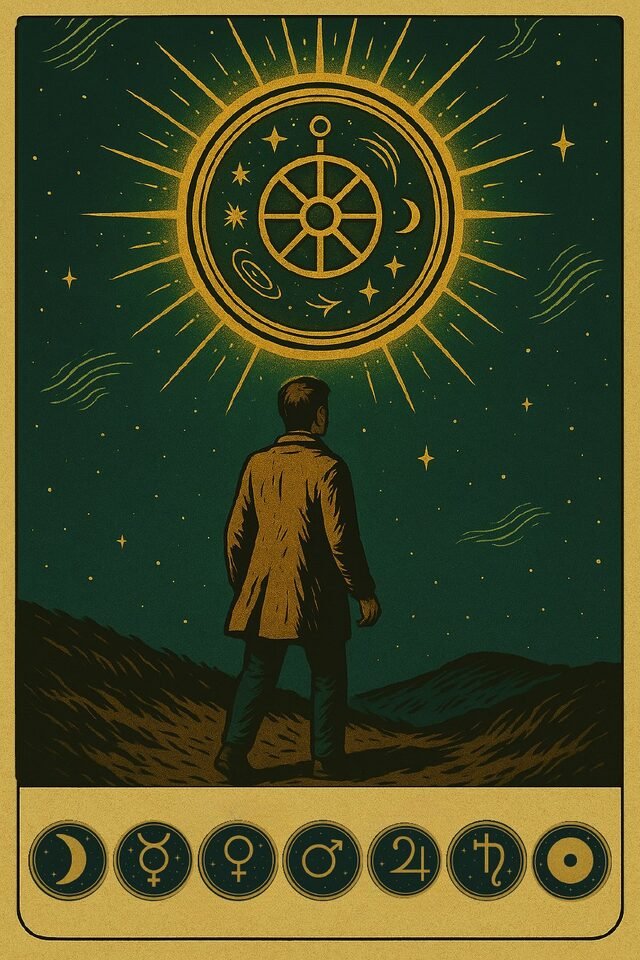
Think about what keeps you awake at night. For a great many people today, it isn’t the fear of death. It is a loan repayment, a bill, a mortgage, a payment that hasn’t arrived.
From guilt to debt
For centuries humanity’s great anguish was death, and whatever might come after. Religions offered an answer: a path to atone for one’s sins and earn eternal life. Baptism wiped away original sin and, at the same time, enrolled every person in the community. Nobody was left out, not even kings.
Today being entered in the civil register and given a tax number has something of that baptism: from then on we are inside a system that asks us to produce and to contribute. And the word that follows us from birth is no longer “guilt”. It is “debt”.
A child born in Italy today already carries, on average, a share of the public debt of more than fifty thousand euros. The child didn’t choose it and didn’t cause it. And yet there it is.
Nothing is really ours
The house belongs to the mortgage, the car to the finance company, the phone to the instalment plan. Every day we chase deadlines that keep renewing themselves. This is not a criticism of anyone who takes out a loan: almost all of us do, and it is often the only way to build something. It is an observation about how we feel.
We live with a constant sense of owing something to someone. And that feeling, more than the figures, is what conditions us.
Money as salvation
If I asked you what would make you free today, many would answer: money. With enough of it we could pay off every debt and buy anything, perhaps even a few extra years of life.
But is that really so? Religions promised to overcome the fear of death; today the system promises to ease the fear of debt, perhaps by spreading it over more years. In both cases the hidden engine is the same.
The real engine isn’t money, and it wasn’t God: it is fear.
And this is where the circle closes. A fear that feeds itself, offering many apparent ways out. So we end up being our own jailers.
So is there no way out?
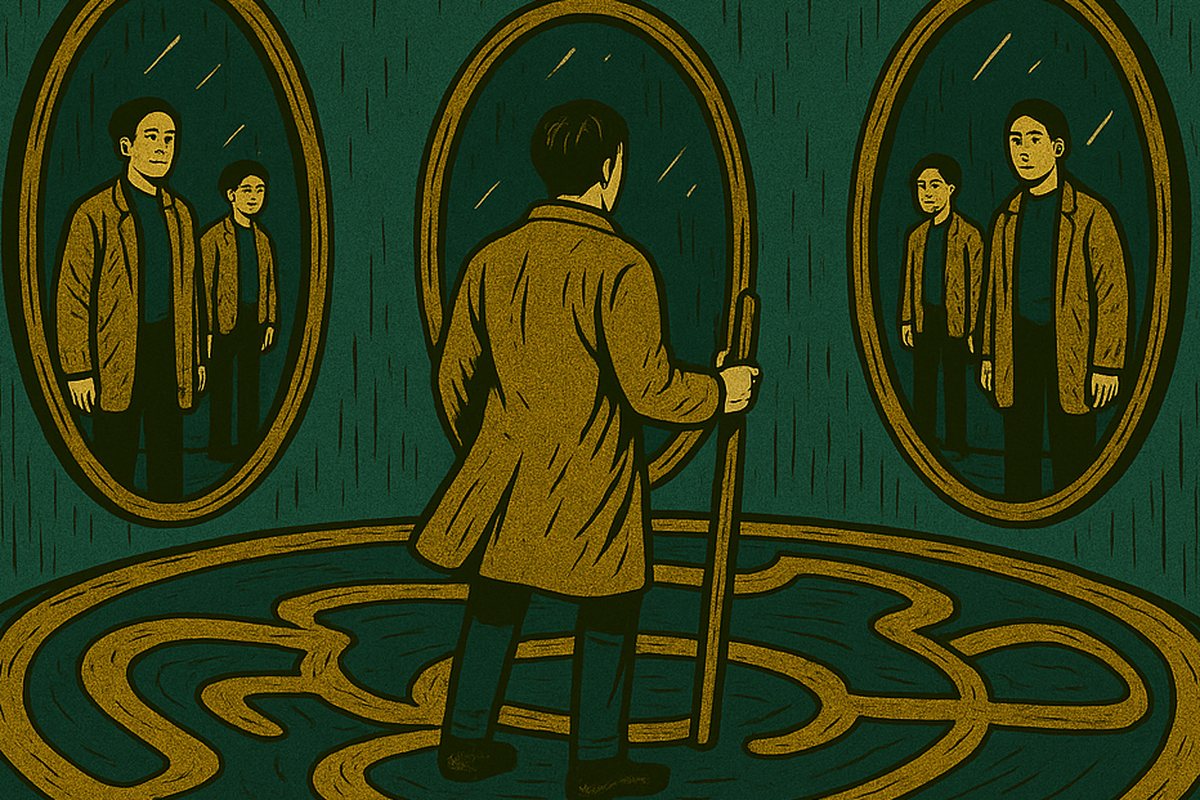
I don’t think so. But the way out isn’t outside us: it isn’t a government, a party or a lottery win. It is noticing how much that fear drives our choices, every day, without our realising it.
Once you see it, it loses some of its power. You will still pay the bills, of course. But you will stop confusing what you owe with who you are.
It is the stage I call Clarity in the P.R.O.C.E.D.O.© Method: telling conditioning apart from choice. It doesn’t change your bank balance. It changes the person looking at it.
This week, every time you buy something or make a choice involving money, pause for a moment and ask: am I doing this out of desire, need or fear? Don’t judge yourself: just note the answer.
Share this article
If it made you think, it might make someone else think too.
Want to read the next article?
Leave your details and I’ll let you know when it’s out. Or experience the Method in a workshop.