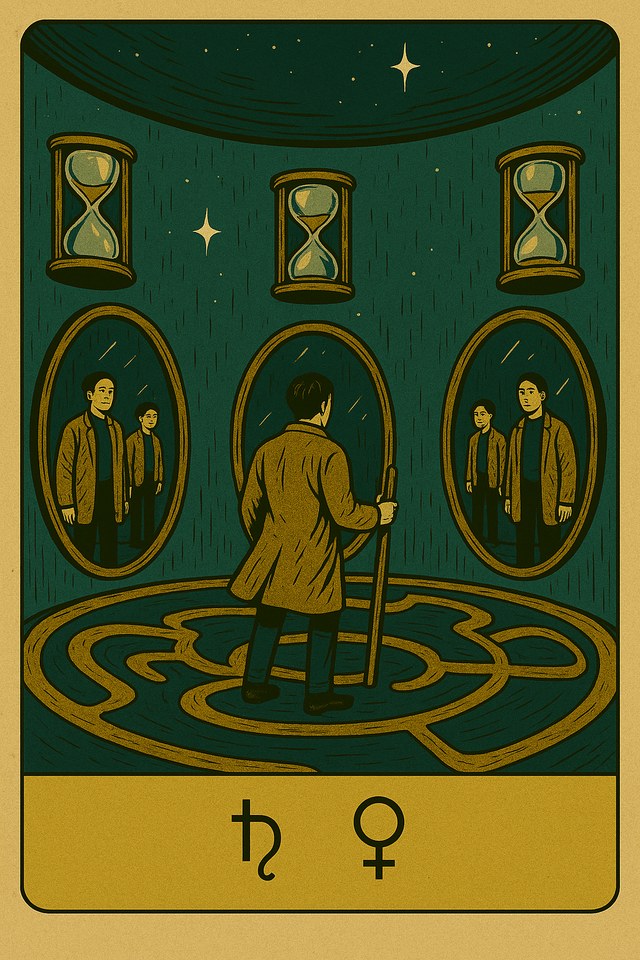
We live inside a system that labels. Everything gets named, defined, put in a box. It’s convenient: it makes us feel safe, it saves time, it lets us understand each other quickly.
But every time we give something a final name, we take away a piece of its truth. Labels are useful tools, and at the same time invisible traps: they shrink reality, they freeze it, and they shut down the possibility of real dialogue.
When I decide who you are, I stop listening
Naming is a powerful act. In many traditions the word is sacred: it is what creates. In everyday use, though, words often become dead definitions, shortcuts.
“He’s shallow.” “She’s touchy.” “He’s the creative one.” Every sentence like that has already decided who the other person is. And the moment I decide who you are, I stop listening to you. You speak, but I don’t hear you: I only hear the label I’ve stuck on you.
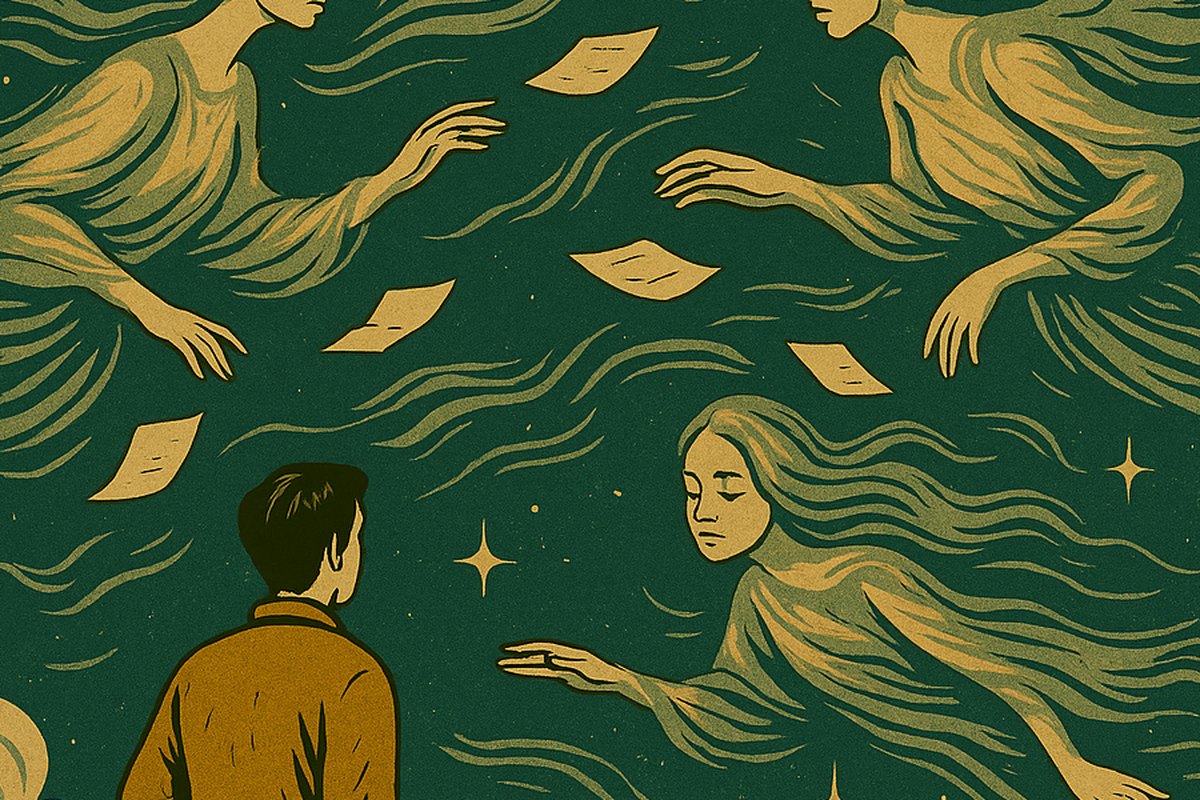
Thought already thought, and living thinking
Massimo Scaligero, an Italian philosopher and teacher of meditation, distinguished between thought that has already been thought and living thinking. The first is what has already been defined, crystallised, believed: a thought that repeats itself, like an echo. The second is a present act, born now, that explores and lets itself be surprised.
Those who think in labels are not really thinking: they are repeating. Repeating other people’s thoughts, or their own thoughts from yesterday. Those who notice a thought as it is born are freer, because for a moment they are not driven by what they already know.
A label simplifies, but it doesn’t understand.
Observing the observer
The real turning point comes when I realise that I am the one putting the labels on. When I see my own thinking as it tries to simplify, judge, pigeonhole.
It’s a small gesture, but it changes everything: for a moment I step out of the automatic reaction and a space opens up. In that space I can finally see the other person, and not just what I think about them.
In the P.R.O.C.E.D.O.© Method this is the stage of Observation: looking without judging, starting with how we look.

With ourselves, too
The toughest labels are the ones we put on ourselves. “That’s just how I am.” “I’ll never change.” “I’m the kind of person who…”
They sound honest, but often they are just habits that have taken the place of identity. Living thinking means giving up the claim to know once and for all who you are, and having the courage to discover it again every time.
In this sense, living thinking is an act of love: it lets things be. It doesn’t impose, it doesn’t anticipate, it doesn’t close. It is a kind of listening that renews itself with every encounter.
A label is comfortable, but sterile. Real understanding is born when we accept to stay, for a moment, in not knowing. That is where dialogue becomes real.
Pick someone you see often and have already “made up your mind” about: a colleague, a neighbour, a relative. Next time you talk to them, listen as if you were meeting them for the first time. You don’t have to change your opinion: just notice how many things you had stopped hearing.
Share this article
If it made you think, it might make someone else think too.
Want to read the next article?
Leave your details and I’ll let you know when it’s out. Or experience the Method in a workshop.